Holiday shoppers browse Macy's department store in New York City, December 6, 2010. Several U.S. retailers reported higher-than-expected sales for November, confirming a strong start to a holiday shopping season that could determine whether the nation's economic recovery has legs. REUTERS/Mike Segar (UNITED STATES - Tags: BUSINESS SOCIETY)
Bikas Das — AP
Chief Minister of West Bengal state Mamata Banerjee speaks as she addresses a large rally in Kolkata, India, Sept. 15, 2012. Angry Indian opposition parties protested on Saturday against the government's decision to open the country's huge retail market to foreign retailers, a hike in the price of diesel fuel and reduction in cooking gas subsidies.
Justin Sullivan / Getty Images
Gift cards from various retailers are seen on display at a Chevron service station convenience store Dec. 19, 2006 in San Francisco, Calif.
BHARAT SIKKA FOR TIME
Global retailers lure shoppers like Yamini Kandari to New Delhi's mall
Jae-Hyun Kim / Noon for TIME
A view of luxury retailers on Apkujung-dong in Seoul, Korea, known locally as Rodeo Drive.
TRADING UP: For retailers such as Best Buy, flat TVs are fabulous, since they can cost 10 times more than old models
PAL HANSEN FOR TIME
HEARING AIDE: Treasure's agency helps retailers use sound effectively
AP Photo/CPSC
This undated image provided by the Consumer Products Safety Commission (CPSC) shows a Nap Nanny baby recliner. Four national retailers agreed to recall more than 150,000 Nap Nanny baby recliners after at least five infant deaths and dozens of reports of children nearly falling out of the recliners, the CPSC said Thursday. The recall covers Nap Nanny Generations One and Two, and the Chill model infant recliners. All were sold between 2009 and 2012. The Nap Nanny was designed to mimic the curves of a baby car seat, elevating an infant slightly to help reduce reflux, gas, stuffiness or other problems.
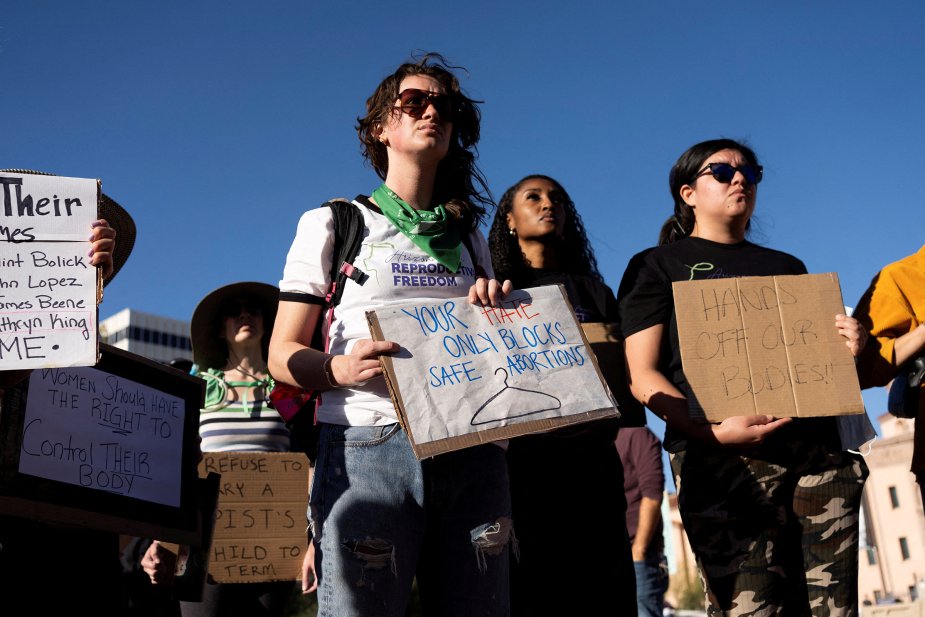
A group of demonstrators hold signs during a rally in support of the state's upcoming Proposition 37 ballot measure outside the Ferry Building in San Francisco, California October 6, 2012. The initiative, commonly known as the California Right to Know Genetically Engineered Food Act, would require mandatory labeling of genetically-modified raw and processed food products and prohibit products containing such to be called natural. While supporters see the measure as part of the consumer's right to know, the controversial measure has also drawn strong criticisms in recent times for being poorly written, increasing costs for both taxpayers and consumers, as well as presenting additional risks of lawsuits against retailers. REUTERS/Stephen Lam (UNITED STATES - Tags: BUSINESS ENVIRONMENT)